
STUDY IN NEW ZEALAND
A Forward-Thinking Study Destination with Natural Beauty & Global Recognition
New Zealand offers international students a welcoming environment, globally respected qualifications, and opportunities to gain valuable international experience. Known for its high-quality education system, the country emphasizes practical learning, critical thinking, research, and innovation, helping students develop skills that align with evolving industry needs. Universities and institutes offer a diverse range of programmes in fields such as business, information technology, engineering, healthcare, agriculture, environmental science, and hospitality.
With a strong focus on sustainability, technology, and real-world problem-solving, students can benefit from industry projects, research opportunities, and practical training. Eligible international graduates may also qualify for post-study work visas, depending on their qualification and current immigration requirements. Beyond the classroom, New Zealand’s multicultural communities, beautiful natural landscapes, and emphasis on safety and work-life balance create an enriching student experience. It is an excellent destination for students seeking quality education, personal growth, and opportunities to build an international career.

Start Your NZ Journey
Fill out the form and our experts will contact you shortly
FACTS ON EDUCATION IN NEW ZEALAND
Universities ranked in the top 3% globally according to QS and Times Higher Education rankings
(QS University Rankings, 2024)
International students were satisfied with their study experience in New Zealand
(Education New Zealand, 2023)
International students choose New Zealand each year across all sectors
(Education Counts NZ)
International graduates are employed or in further study within 6 months of graduation
(NZ Ministry of Education)

WHY STUDY IN NEW ZEALAND
A future-focused education system rooted in innovation, safety, and opportunity
- High-ranking universities known for research, teaching quality, and international recognition
- Practical, skills-based education designed to align with global and local workforce needs
- Post-study work visas up to 3 years, supporting clear career pathways after graduation
- Flexible study options across universities, polytechnics, and institutes of technology
- Multicultural campuses with personalised student support and inclusive environments
- Emphasis on sustainability, innovation, and real-world learning across all disciplines
LIFE IN NEW ZEALAND
Live and study in a country known for its natural beauty, student-friendly culture, and high standard of living

Economy
With growing demand for skilled talent across IT, construction, and agriculture, New Zealand offers job-ready pathways for graduates in both urban and regional areas.

Culture
A unique blend of Māori heritage and modern multiculturalism defines life in New Zealand. Over 20% of the population is born overseas, making it one of the most inclusive and diverse places to live and study.

Healthcare
International students must hold valid medical insurance. This provides access to general practitioners, emergency services, and mental health support throughout their stay.

Language
As an English-speaking country, New Zealand allows international students to study, work, and engage socially without language barriers, boosting both academic and professional success.

Safety
New Zealand ranks among the top 3 safest countries globally (Global Peace Index), with student-focused support systems and a low crime rate across major cities.

Food
A variety of cuisines are available in every region, from fresh seafood and local produce to global dishes, supporting a comfortable and affordable student lifestyle.

Transportation
Public transport is accessible in major cities like Auckland, Wellington, and Christchurch. Student discounts and regional travel passes help reduce commuting costs.
Cost of Education
Plan for a High-Quality Education with Clear and Manageable Costs
Tuition Fees
- Diplomas: NZD $12,000–$18,000/year
- Undergraduate: NZD $35,000–$55,000/year
- Postgraduate: NZD $20,000–$45,000/year
Accommodation
- University halls: NZD $800–$1,400/month
- Shared flats: NZD $700–$1,200/month (excluding utilities)
ACCOMMODATION
Comfortable and flexible housing options for international students
University Halls of Residence
On-campus options offering furnished rooms, support services, and optional meal plans. These are ideal for first-year and international students seeking structured living.
Homestays
Live with a local Kiwi family for cultural immersion, home-cooked meals, and extra support, especially suitable for younger students.
Shared Flats
A common off-campus choice, shared flats provide flexibility and lower rent. Students manage utilities and groceries independently while sharing living space.
Short-Term Housing
Temporary options include student hostels, serviced apartments, or Airbnb-style rentals, great for transition periods or short courses.
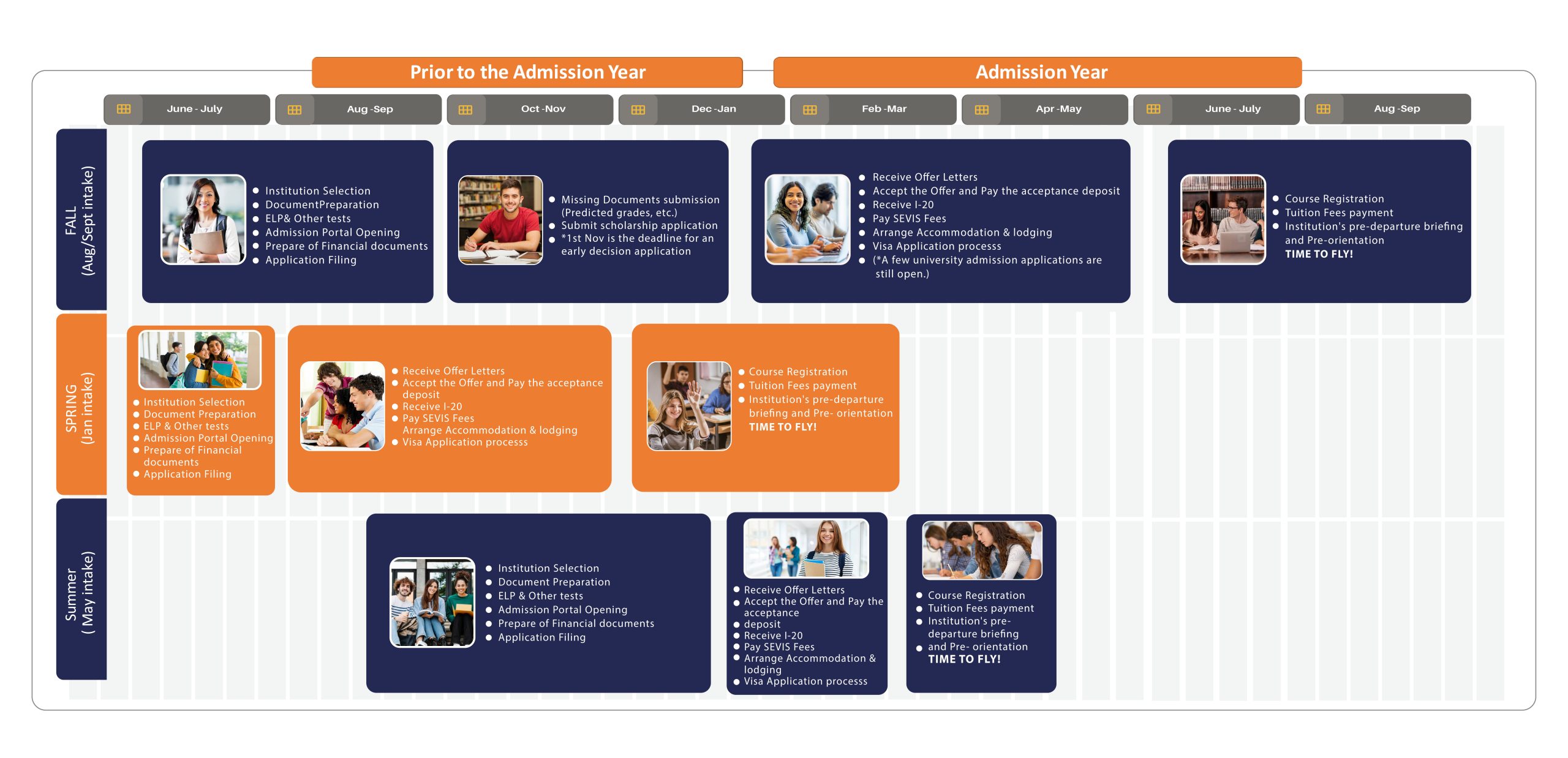
ACADEMIC CALENDAR
Germany Academic Year and Intake Timeline
SKILLS IN DEMAND
Study in a country where education connects directly to real-world needs.
Software Development, Networking, and Cybersecurity
Civil, Mechanical, and Electrical Engineering
Construction Project Management and Quantity Surveying
STEM Education and Teaching
Agricultural Science and Farm Management
Hospitality, Culinary Arts, and Tourism
PARTNER INSTITUTIONS
Partnering with the New Zealand’s Top-Tier Institutions








FAQ'S
Answers to Parents’ and students’ most asked queries
Yes. International students can work up to 20 hours per week during term time and full-time during holidays.
Yes. You may be eligible for a Post Study Work Visa valid for 1 to 3 years, depending on your qualification and where you studied.
Yes, in most cases. Universities typically require IELTS, TOEFL, or PTE Academic unless you’re exempt due to prior education in English.
Yes. New Zealand ranks among the top 3 safest countries globally, with a strong reputation for stability and low crime.
Yes. You’ll need a New Zealand Student Visa, which requires proof of admission, funds for tuition and living expenses, and medical/travel insurance.
In most student cities, yes. Jobs are commonly available in retail, hospitality, campus services, and seasonal industries.
Yes, in some cases. Students enrolled in postgraduate programs may be able to bring dependents on a visitor or work visa.
Yes. Some universities and government programs offer merit-based or country-specific scholarships. It’s best to check with individual institutions.
You must show proof of at least NZD $20,000 per year to cover living expenses, plus funds for tuition and return travel.
Yes. New Zealand qualifications are recognised globally and are part of the Lisbon Recognition Convention, enabling easier degree acceptance abroad.